About me
My journey toward becoming a passionate Software Engineer, equipped with both a practical and theoretical foundation began in 2016 at the Amsterdam University of Applied Sciences. During the two internships at CYSO Group and Infologic, where I was heavily exposed to the full context of the field, I discovered this passion. These internships along with my part-time occupation at FUGA Cloud, provided me with a solid understanding of how software is developed in practice.
Eager to deepen my understanding of software fundamentals, I challenged myself to complete the Software Engineering Master program at the University of Amsterdam. Now, a pre-master, master, and thesis project later, this challenge is completed, and I’m ready for the next!
In my spare time, I enjoy skateboarding and I’m currently trying to understand how the heck an electric guitar works. Whenever I get frustrated with this I’ll play some computer games online, or upgrade (usually also fix) my home server setup. I also enjoy trying out new technologies, like this site for example, which is built using React and Next.js, which (especially the latter) I’ve had limited experience with!

Timeline
2016
I started my IT career studying System and Network Engineering at the Amsterdam University of Applied Science!
2017
At the end of the year, my first internship at Cyso Group was completed. This was my first exposure to a professional working environment, where I applied all phases relevant to developing a finished Python application. Looking up to the skills of my supervisors, I picked up my passion for software development.
2019
The study System and Network Engineering is substituted with Cybersecurity, providing me with a peek into the interesting worlds of malware, social engineering and ethical hacking.
2020
A year of part-time back-end development at FUGA Cloud, consisting of fixing bugs, implementing new features, and improving with the team through SCRUM ceremonies. Work in this multidisciplinary SCRUM team helped me develop a greater understanding of CI/CD pipelines for testing and deploying the services.
2021
I complete my graduation internship at Infologic. During the project I learnt about the microservice architecture and the dynamics of combining Go and C code into a single program.
2021
Eager to learn more about software fundamentals, I started the pre-master for Software Engineering at the University of Amsterdam!
2022
With the pre-master completed, the actual MSc Software Engineering programme can begin.
2023
Graduated!!
You are here!
Projects
Gamified Window
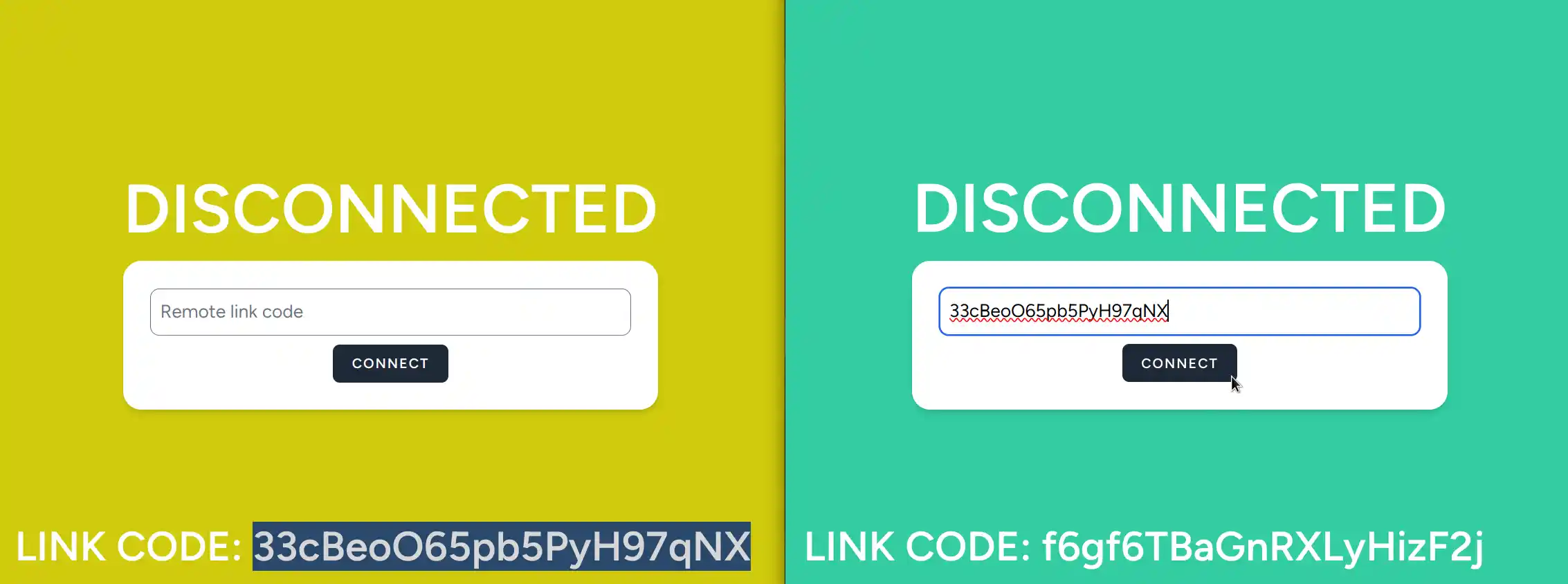
A personal project for exploring web technologies. Included functionalities of this project includes the setup of a ”window” between two physically different locations. Allowing persons residing at each location to interact with eachother through a game of Tic Tac Toe! The ”window” essentially is a peer to peer video/voice connection between two parties. Once both parties are connected to the same room, they can play a thrilling game of Tic Tac Toe. The project was set-up in about three days, kickstarted by a wave of inspiration caused by a similar project created during a hackathon of a company where I wanted to apply for a job.
Vue.js, Laravel, Firebase, RTCPeerConnection (P2P connection for video, audio and game state)
Lingo as a Service (LaaS)
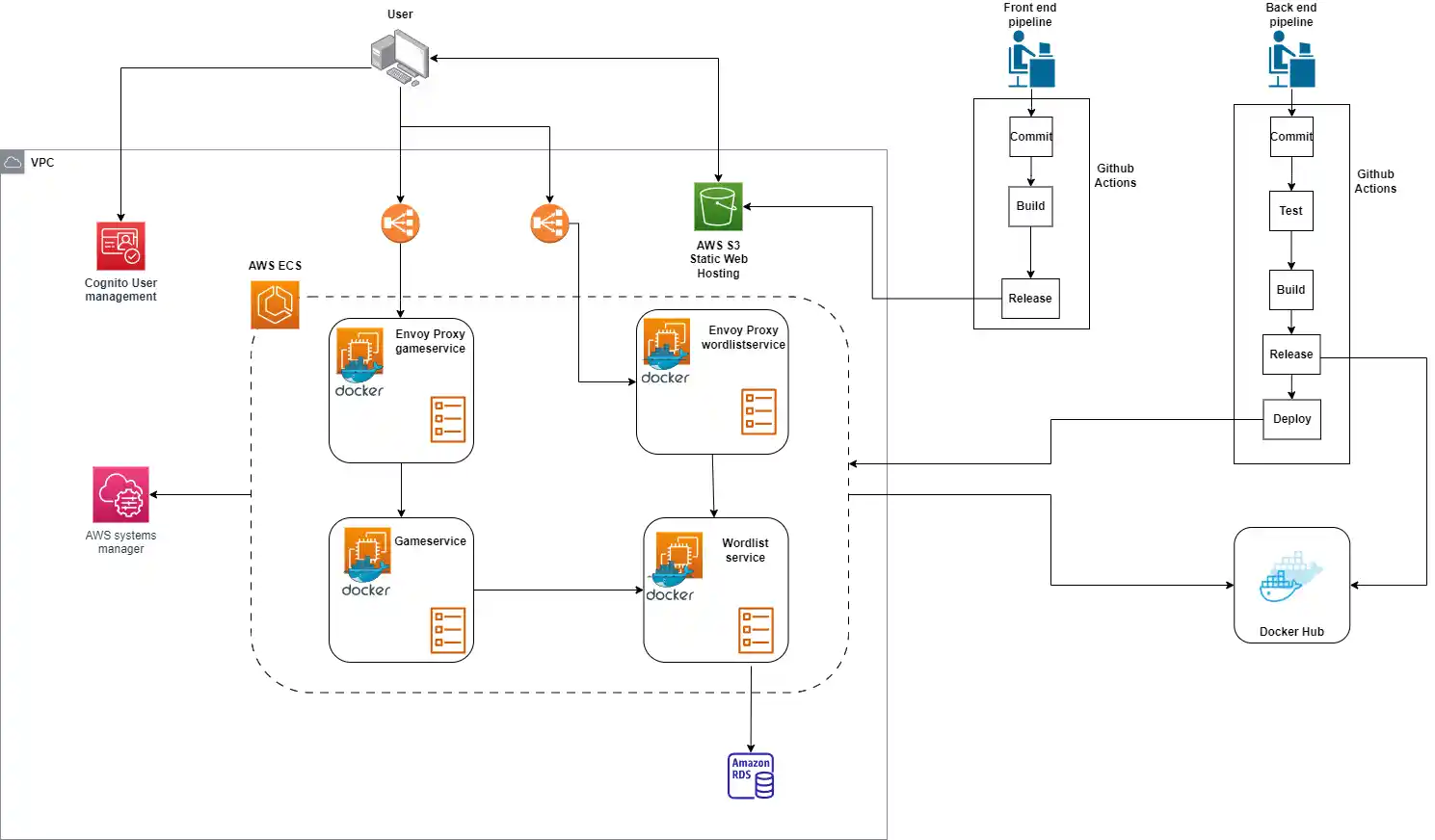
A project we worked on in a group of four students during the master Software Engineering. The project targetted the use of DevOps techniques, and thus the LaaS program was designed as a microservice system, including separate services for the front-end, game logic, and word lists. The services communicated using the protobuf protocol and CI/CD pipelines were created for automatic building, testing and deployment to the AWS cloud environment.
Javascript, Node.js, React, GRPC, GitHub Actions, Docker, AWS (ECS, S3, RDS, Cognito)
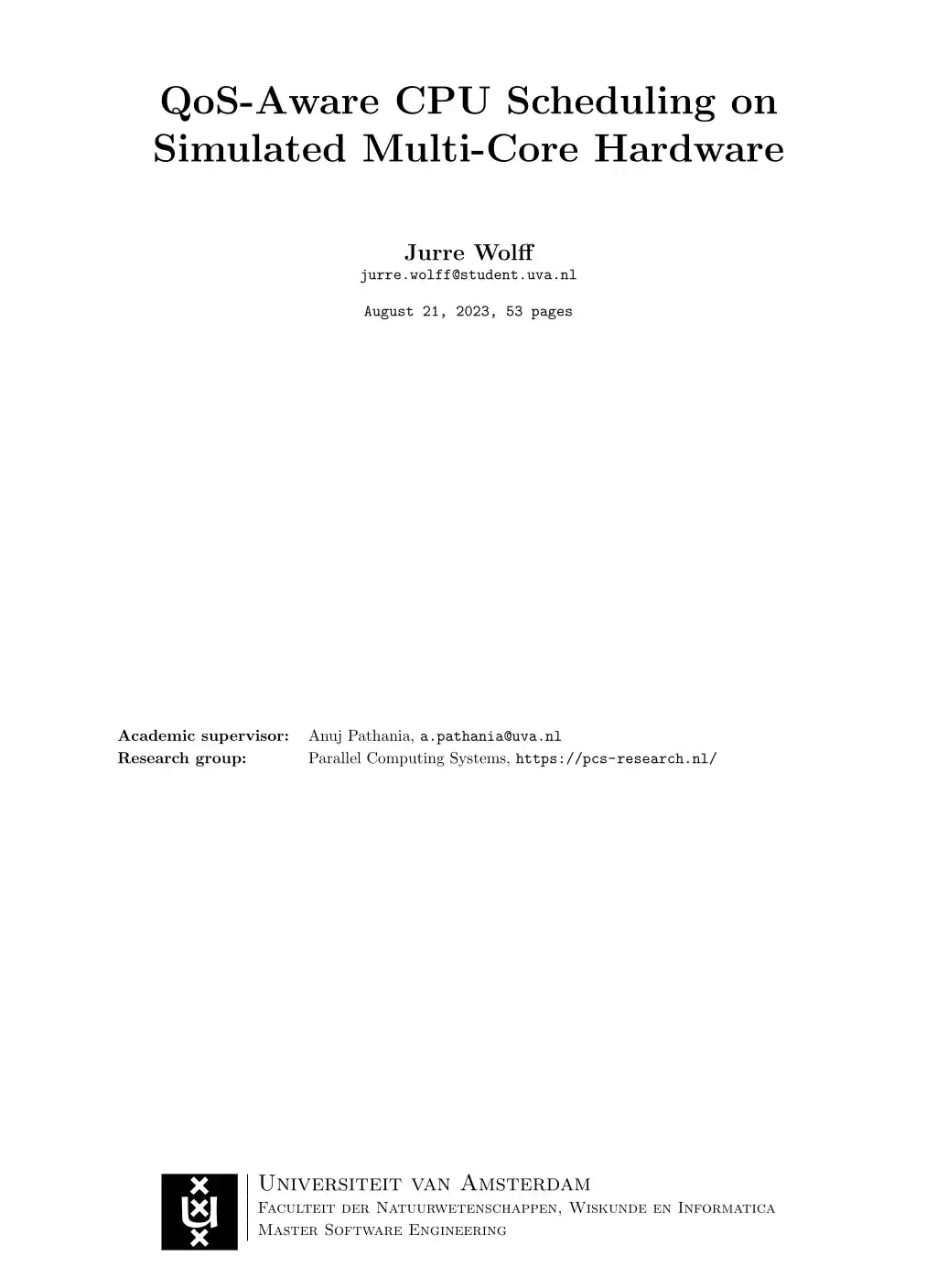
MSc Software Engineering - Thesis Project
The thesis researches the use of program specific performance data as a novel metric for CPU scheduling. To test this theory, multiple PARSEC benchmark suite programs have been updated to support reporting their target and runtime performance. The HotSniper chip architecture simulator, which supports running binaries on simulated hardware and includes an interface for writing scheduling algorithms for said hardware, was then updated to support accessing the program performance and making the data available to the its scheduler.
With this implementation, data was gathered about the PARSEC programs to understand their behavior allowing for the development of a scheduling policy taking into account their performance targets .
The research demonstrates the practical use of the program specific performance parameter and provides a foundation for several directions of future work.
C/C++, Python, CPU Scheduling, Scientific writing, Docker
University of Applied Science - Graduation Internship
During my graduation internship at the Amsterdam University of Applied Science I partnered with Infologic, who provides a SaaS product for managing the display systems for large organizations, like airports. Due to the many different types of systems such organizations employ, custom API connections have to be created for each client. I developed a base module that can be used as a foundation for such functionality, with the goal to reduce the required development time.
The base module allows developers to create new functionality as a Go project, without having to worry about interacting with the legacy system written in C. Instead, a Go API can be queried, which under the hood calls C functions from this legacy codebase.
To demonstrate the base module’s feasibility, I collaborated with Schiphol airport, creating a PoC system fetching real-time public transport data, to display on bus stop signage. The system used the base module’s full set of capabilities, registering itself with the Infologic microservice system, building on top of it pulling the public transport data and finally updating data on displays.
C/C++, Go, Multi-language programs, Microservices, SOAP, SQL
jurrewolff.nl
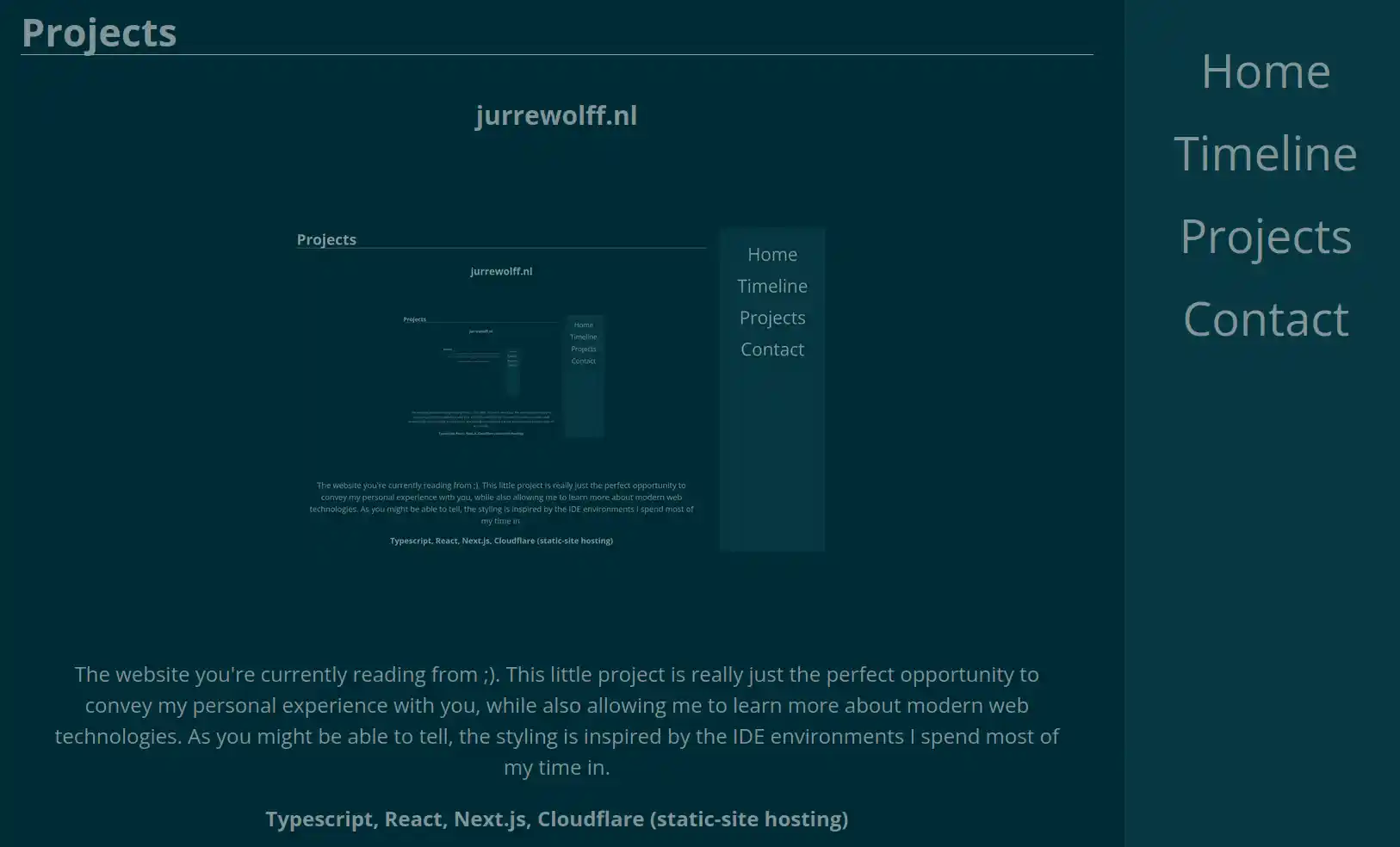
The website you’re currently reading from ;). This little project is really just the perfect opportunity to convey my personal experience with you, while also allowing me to learn more about modern web technologies. As you might be able to tell, the styling is inspired by the IDE environments I spend most of my time in.
Typescript, React, Next.js, Cloudflare (static-site hosting)
And many more...
(To be added!)